
Measuring Success: Analytics and Insights That Matter

Introduction to Analytics in Social Media
In the rapidly evolving landscape of digital marketing, the role of analytics in social media has become increasingly critical. Businesses that engage on social platforms must recognize that simply posting content is only part of the equation. The insights gained from analyzing social media performance are essential for crafting strategies that resonate with audiences and drive tangible results. Without a firm grasp of which posts captivate attention, foster interaction, and convert followers into customers, success in social media marketing can remain elusive.
Analytics serve as a compass for businesses navigating the vast world of social channels. By employing various tools and metrics, marketers can gain a deeper understanding of their audience’s behaviors, preferences, and engagement patterns. Key performance indicators (KPIs) such as reach, impressions, engagement rates, and conversion rates offer valuable data points that inform strategy. For instance, analyzing the types of content that generate the most shares or comments enables businesses to refine their messaging and target similar content types in the future. Moreover, insights into audience demographics can lead to more tailored and effective marketing campaigns.
As social media platforms continue to innovate and introduce new features, staying attuned to analytics becomes even more crucial. For businesses aiming for growth, leveraging these insights allows for real-time adjustments to social media strategies, optimizing content for better performance. This proactive approach not only enhances engagement but also drives customer loyalty and retention. Thus, understanding and utilizing social media analytics is not just beneficial; it is indispensable for any company looking to thrive in today’s competitive market.
Key Metrics for Social Media Success
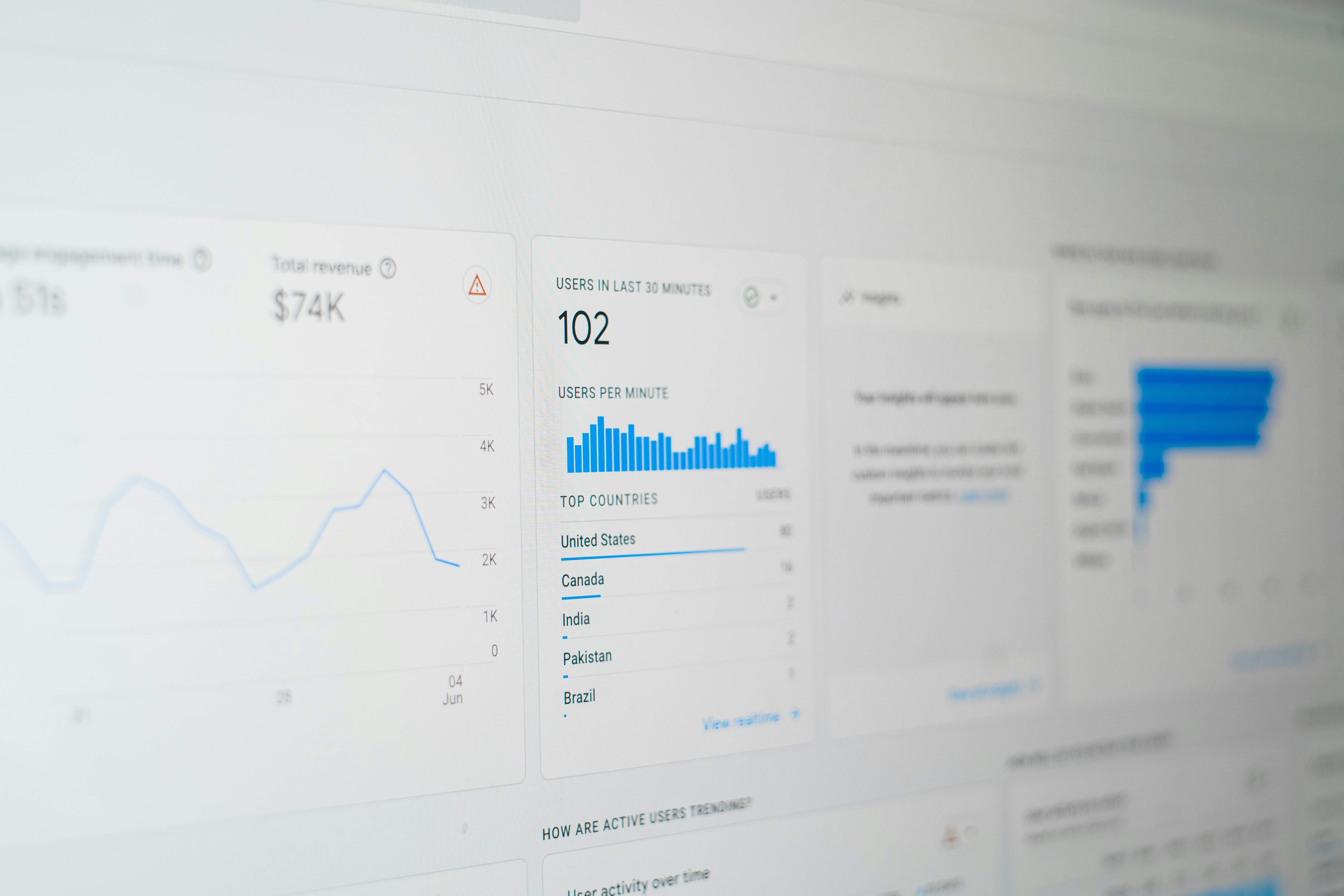
Measuring success on social media platforms is crucial for understanding the effectiveness of marketing strategies and the overall engagement of a brand’s audience. Key metrics serve as essential indicators that can provide insights into user behavior, brand perception, and content performance. In this section, we will explore several critical metrics to track, including engagement rates, reach, follower growth, and conversion tracking.
Engagement rates are a vital metric that allows brands to assess how actively users interact with their content. This includes likes, shares, comments, and reactions. A high engagement rate often indicates that the audience finds the content relatable and valuable, which can lead to increased loyalty and advocacy. For instance, a brand that regularly receives a significant amount of engagement is likely to gain more visibility in users’ feeds due to the algorithms favoring engaging content.
Reach, on the other hand, measures the total number of unique users who have seen the brand’s content. It is a critical metric for evaluating the effectiveness of social media campaigns. A brand aiming to increase its reach may experiment with paid promotions or partnerships with influencers, thereby exposing their message to a broader audience. Understanding reach helps brands gauge how well their marketing strategies are working in attracting new followers.
Follower growth is another significant metric as it indicates the brand’s expanding audience base. A steady increase in followers suggests that the content resonates with users, while a stagnation or decline may necessitate revisiting the content strategy. Tracking follower growth can illuminate trends in audience demographics and preferences over time.
Lastly, conversion tracking provides insights into how effectively social media efforts translate into tangible actions, such as website visits, sign-ups, or purchases. This metric is crucial for determining the return on investment (ROI) of social media initiatives. By analyzing conversion data, brands can refine their strategies to enhance performance and achieve desired outcomes.
How Growlyft Tracks What Matters
Growlyft employs a systematic approach to track and analyze metrics that are genuinely impactful for businesses, concentrating on meaningful data rather than superficial statistics. The methods used blend advanced technology with strategic insight, ensuring a comprehensive understanding of performance indicators.
To begin with, Growlyft utilizes a variety of sophisticated analytics tools that allow for real-time data tracking. These tools are adept at collecting essential metrics from various touchpoints. By leveraging platforms such as Google Analytics and custom dashboards, they can obtain a holistic view of user interactions and conversion rates. This data is crucial for identifying patterns and trends that influence decision-making processes.
Moreover, Growlyft places significant emphasis on key performance indicators (KPIs) that directly align with their clients’ goals. This targeted approach requires an understanding of each business’s unique needs, allowing for the customization of data collection methods. Elements such as customer acquisition cost, lifetime value, and engagement rates are meticulously monitored. By prioritizing these metrics, Growlyft ensures that their analytics efforts yield insights that truly matter.
Another method Growlyft employs is the integration of qualitative insights through customer feedback and behavior analysis. This technique involves collecting data directly from users, which provides a deeper understanding of customer satisfaction and pain points. Combining quantitative metrics with qualitative data enables Growlyft to provide holistic insights that drive strategic improvements.
By making use of data visualization tools, Growlyft can present complex data in an easily digestible format. This clarity not only aids in tracking performance but also enhances collaboration between stakeholders. The methodology adopted by Growlyft focuses on extracting meaningful analytics that can genuinely propel business growth, rather than merely tracking surface-level numbers.
Understanding Engagement and Its Importance
Engagement on social media refers to the interaction that users have with content, including likes, comments, shares, and overall participation. It serves as a critical metric for measuring how well a brand connects with its audience. High engagement levels indicate that users find the content valuable, compelling, or interesting enough to respond to it in some manner. This interaction not only enhances brand visibility but also fosters a sense of community among followers. As social media has evolved, the significance of engagement has shifted from merely counting likes to forming deeper relationships with consumers.
The importance of engagement cannot be overstated when it comes to instilling brand loyalty and building customer relationships. A brand that successfully engages its audience nurtures trust, encourages conversations, and cultivates a strong community of advocates. Engagement acts as a two-way street, where brands not only share their values and offerings but also listen to consumer feedback, addressing their needs and concerns. This responsive approach contributes to stronger brand equity, encouraging loyalty and repeat business, particularly in today’s competitive marketplace.
Growlyft embraces the importance of engagement by implementing tailored strategies that resonate with its audience. Such strategies include personalized content, timely responses to inquiries, and creating opportunities for user-generated content. Growlyft recognizes that genuine interactions are vital for cultivating long-lasting relationships. By fostering environments where customers feel heard and valued, Growlyft maximizes engagement, leading to improved brand loyalty and customer retention. Through continuous analysis of engagement metrics, brands can refine their social media approaches and ensure that their content aligns with audience interests, thus further enhancing user interaction.
Understanding Reach and Follower Growth
Social media metrics such as reach and follower growth are pivotal for measuring the efficacy of any digital marketing strategy. Reach refers to the total number of unique users who have seen a particular piece of content, while follower growth indicates the increase in the number of individuals who subscribe to a brand’s social media channels. These metrics serve as essential indicators of a brand’s visibility and engagement within the digital space.
Increasing reach can be achieved through various strategies that focus on content quality and strategic distribution. For instance, optimizing posts for search visibility, utilizing trending hashtags, and encouraging audience interaction can significantly enhance reach. Additionally, partnering with influencers can provide access to new and broader audiences, further amplifying content visibility. Campaigns executed by Growlyft demonstrate the effectiveness of these methods; their recent collaborative initiative with a prominent influencer resulted in a 150% increase in the reach of the promoted content.
Follower growth often correlates with the success of reach strategies. Engaging content that resonates with viewers not only attracts more impressions but also compels individuals to follow the brand for continuous updates. To encourage follower growth, brands should consider regular posting schedules, engaging storytelling, and leveraging user-generated content. An exemplary case from Growlyft involved themed weekly challenges that stimulated audience participation and fostered a sense of community, which translated to a 200% increase in followers over three months.
Monitoring these metrics is essential for assessing social media health. A consistent increase in reach and follower growth indicates that a brand is not only garnering attention but is also effectively resonating with its target audience. By focusing on both of these vital metrics, businesses can make informed decisions about their ongoing social media strategies.
Conversions: Turning Followers into Customers
In the dynamic landscape of social media, one of the ultimate objectives for businesses is to transform followers into customers. Understanding conversions is crucial for gauging the effectiveness of marketing strategies, and it requires a deep dive into how social media interactions influence purchasing decisions. To measure conversions effectively, businesses should start by defining what a conversion means for them. This could range from a simple sign-up for a newsletter to a direct purchase from their online store.
Tracking customer actions that result from social media engagements can be accomplished through various analytics tools, which provide insights into user behavior. For instance, Google Analytics allows businesses to set up conversion tracking, enabling them to monitor the effectiveness of social media campaigns. By analyzing the traffic generated from platforms such as Facebook, Instagram, or Twitter, companies can gauge the success of their promotional efforts. Additionally, it is essential to utilize UTM parameters in links shared on social media, allowing for precise tracking of campaigns.
Moreover, the significance of understanding customer journeys cannot be overstated. By leveraging insights into how potential customers interact with a brand across different touchpoints, businesses can optimize their strategies to enhance conversion rates. This may involve tailoring content to resonate with specific audience segments, adjusting calls-to-action based on user engagement metrics, and employing A/B testing to refine marketing tactics.
Growlyft plays a pivotal role in this process by providing tools and strategies designed to optimize conversion rates. Our approach emphasizes data-driven decision-making, ensuring that businesses have access to the insights needed to turn social media followers into loyal customers. By focusing on conversions, brands can ultimately drive growth and achieve sustainable success in today’s competitive marketplace.
Tools for Simplifying Analytics Reporting
In today’s data-driven environment, the ability to effectively track and analyze performance metrics is crucial for businesses. The sheer volume of data can often become overwhelming, leading to confusion and misunderstanding among brand managers. To bridge this gap, various tools have emerged that simplify analytics reporting, making it accessible and actionable for all stakeholders involved.
One innovative approach is embodied by tools like Growlyft, which focus on delivering clear and concise analytics reports tailored for brand managers. These tools prioritize the elimination of jargon and complex terms that can obscure key insights. By presenting data in a straightforward manner, Growlyft enables users to quickly understand their metrics and make informed decisions. This clarity is essential in an age where decision-makers must act swiftly based on real-time data.
Moreover, robust analytics platforms like Google Analytics and Tableau also contribute significantly to simplifying reporting processes. Google Analytics offers customizable dashboards that allow users to focus on specific metrics pertinent to their business goals. Furthermore, its easy-to-navigate interface helps demystify the performance data. Tableau, on the other hand, employs intuitive visualizations that transform raw data into comprehensible visuals, making it easier to draw insights at a glance.
Integrating these tools into daily operations not only enhances reporting efficiency but also fosters a deeper understanding of performance trends. As more brand managers leverage these simplified tools, they are better equipped to address challenges and capitalize on opportunities. Ultimately, an effective analytics reporting system is fundamental for measuring success, guiding companies toward growth through informed strategies.
The Benefits of Clear Insights
In today’s digital landscape, the importance of clear insights into social media performance cannot be overstated. Businesses rely heavily on platforms like Facebook, Instagram, and Twitter to engage with their audience, and understanding the effectiveness of these efforts is crucial. A clear approach to analytics allows organizations to assess their current standing and recognize opportunities for growth. It enables them to derive actionable insights that directly inform future strategies.
One key benefit of having access to transparent data is the ability to make data-driven decisions. With detailed analytics, brands can monitor key performance indicators (KPIs), such as engagement rates, click-through rates, and conversion metrics. This assessment provides clarity in understanding which strategies resonate with the audience and which need adjustment. Consequently, organizations can optimize their social media campaigns, ensuring they allocate resources effectively and maximize returns on investment.
Moreover, clear insights foster a deeper understanding of customer behaviors and preferences. By analyzing social media metrics, businesses can segment their audience effectively, tailoring content to specific demographics. This targeted approach enhances user experience, increasing the likelihood of customer loyalty and brand advocacy. Clients of agencies like Growlyft benefit from this transparency, as they gain insights into how their brand is perceived and engaged with, allowing them to pivot when necessary.
Furthermore, having access to clear insights establishes trust between businesses and their clients. When agencies present data in an understandable format, clients are more likely to feel confident in their partnership. Growlyft’s commitment to transparency not only helps clients grasp their brand’s growth but also cultivates a stronger collaborative environment, establishing a foundation for long-term success. In effect, clear insights become a powerful tool in driving business performance in the digital sphere.
How Growlyft Can Enhance Your Analytics Journey
In an era where data-driven decision-making is paramount, Growlyft stands out as a partner capable of guiding businesses through the complexities of analytics. The agency’s philosophy is rooted in the belief that analytics should not only be about numbers but also about the stories they tell. By incorporating a human touch into the analytics process, Growlyft ensures that clients can comprehend data insights on a deeper level, transforming raw data into actionable strategies.
Growlyft employs a comprehensive approach that begins with understanding each client’s unique goals and challenges. This personalized engagement allows for tailored analytics solutions that align with the specific needs of the business. Whether it’s identifying key performance indicators (KPIs), understanding customer behavior, or refining marketing strategies, Growlyft leverages advanced analytics tools to provide valuable insights. By focusing on the nuances of each business model, Growlyft helps clients navigate their analytics journey effectively.
Furthermore, Growlyft emphasizes the importance of continuous monitoring and optimization. The agency doesn’t stop at data collection; it provides ongoing analysis to track performance over time, helping businesses adapt to changing circumstances. This commitment to evolving insights enables clients to seize growth opportunities, fostering sustainable development in an increasingly competitive market. One of the distinct advantages of partnering with Growlyft is the accessibility of these insights. The agency presents data in a clear and understandable manner, making it easier for stakeholders at all levels to make informed decisions.
Ultimately, the collaboration with Growlyft empowers businesses not only to measure success effectively but also to evolve strategically based on analytics. With a blend of human-centered approaches and robust analytics capabilities, Growlyft positions itself as an invaluable ally in achieving the growth potential of its clients.
